How Much Water Should You Drink a Day? By Weight and Climate
How many litres of water do you need a day? Intakes for men and women, the 8-glasses rule, estimating by weight, and signs of dehydration.
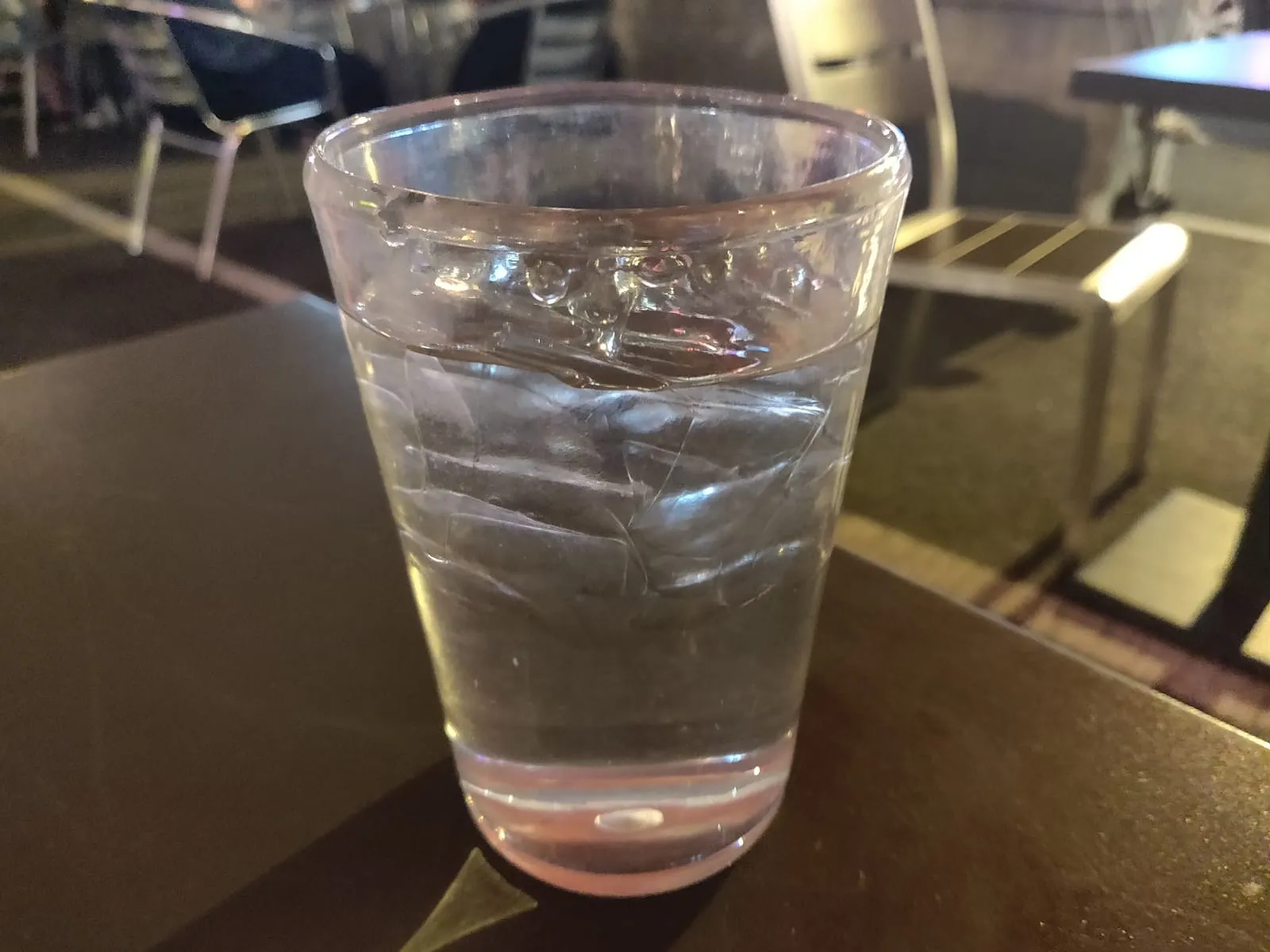
Water is essential for life, and it makes up a large share of our body weight. But how much water should you drink a day? Is it the famous 8 glasses, 2 litres, or more? Here’s what health authorities say, and how to tell whether you’re drinking enough.
How much water does your body need?
The US National Academies of Sciences set an approximate adequate daily intake of total water for healthy adults:
| Group | Approximate total daily water |
|---|---|
| Men | About 3.7 litres |
| Women | About 2.7 litres |
The key word is total. These amounts include all drinks and foods, not just plain water. About 20% typically comes from food, especially fruit and vegetables such as cucumber and watermelon. The rest comes from water and other drinks such as milk, tea and juice.
Is “8 glasses a day” right?
The “8 glasses a day” rule, about 2 litres, is easy to remember and a helpful reminder for many people. But it isn’t a precise scientific rule for everyone. Your needs change with:
- Climate: in hot weather you lose a lot of water through sweat.
- Physical activity: exercise and hard physical work raise your needs considerably.
- Pregnancy and breastfeeding: both increase fluid needs.
- Illness: fever, vomiting or diarrhoea make the body lose extra fluid.
How much water by body weight?
A common rule of thumb is about 30 to 35 ml per kilogram of body weight per day.
For example, a 70 kg person would need about 2.1 to 2.5 litres of fluid a day by this rule.
It’s only a general estimate, and it goes up with heat and exercise. People with kidney or heart conditions may be given different limits by their doctor and should follow that advice.
Did you know? Water makes up about 50 to 60% of an adult’s body weight, and an even higher share in newborn babies.
Signs you’re not drinking enough
The simplest practical check is urine colour. Pale yellow usually means you’re well hydrated, while dark yellow can mean you need more water. Other signs of dehydration include:
- Strong thirst and a dry mouth
- Urinating less often
- Tiredness and headaches
- Dizziness, especially when standing up
Thirst is a signal from your body, so don’t ignore it. Older adults, however, may not feel thirsty easily, so they benefit from regular reminders to drink.
Can you drink too much water?
Yes, but it’s rare. Drinking very large amounts in a short time can lower the sodium level in your blood, which is dangerous. It sometimes happens to endurance athletes who drink huge volumes without replacing salts. For a healthy person drinking to thirst, it’s not normally a risk.
Tips to drink enough
- Carry a water bottle wherever you go.
- Start the day with a glass of water after waking up.
- Drink a glass with every meal.
- Eat plenty of water-rich fruit and vegetables.
- Drink more in summer, and before, during and after exercise.
Your body needs rest as much as water: How much sleep do you need?
Frequently asked questions
How many litres of water should I drink a day?
References put total daily water at about 3.7 litres for men and 2.7 litres for women, from all drinks and foods. That usually works out at roughly 2 to 3 litres of drinks.
Do tea and coffee count?
Yes, they contribute to your daily fluids. Water is still the best choice, because it has no calories or sugar.
How much water is in the human body?
Water is about 50 to 60% of an adult’s weight. A 70 kg person carries roughly 40 litres of water.
Does drinking water help with weight loss?
Swapping sugary drinks for water cuts calories, and drinking water before a meal may help you feel full. On its own it isn’t a magic solution.
Key takeaway
Adults generally need about 3.7 litres of total water for men and 2.7 for women a day, from water, other drinks and food combined. Needs rise in heat and with exercise. The easiest check that you’re drinking enough is pale yellow urine.
This article is for general education and is not a substitute for advice from a doctor or qualified professional.