Receiver and IPTV Server Codes: What Are They, and Are Free Renewals Safe or Legal?
What is a 'server' on a satellite receiver or IPTV box? An honest look at free server codes: how they work, their legal and security risks, and legal ways to watch channels and matches.
“Free server code”, “free server renewal”, “IPTV codes 100% working”: phrases like these are hugely searched, especially during major football tournaments. But what exactly are these “servers”? Why do they suddenly stop working? And are they safe and legal? This article answers honestly. We won’t publish codes, and you’ll see why.
What is a “server” on a satellite receiver?
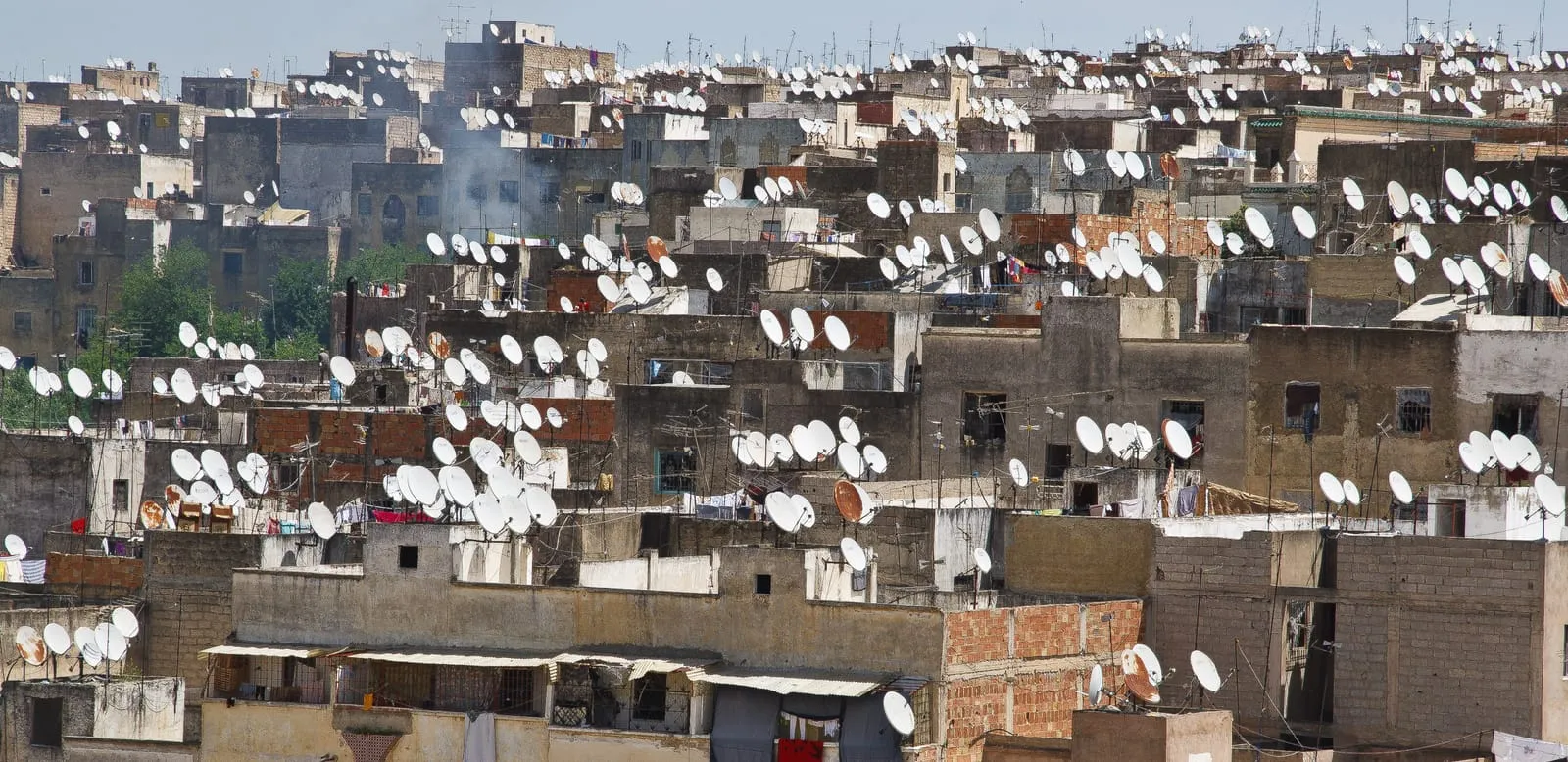
Pay channels, such as sports and movie channels, are broadcast encrypted, and a receiver can only open them with decryption keys. The official way is a subscription from the company that owns the channels, via an approved card or device.
What people commonly call a “receiver server” is usually a service that redistributes decryption keys over the internet to many devices, without permission from the rights holder. That’s why it constantly needs “codes” and “renewals”, and why it stops suddenly whenever the channels change their encryption.
What is IPTV?
IPTV simply means delivering TV over the internet instead of by satellite. The technology itself is completely legal and widely used by official providers.
The problem is unlicensed IPTV services that sell or distribute thousands of pay channels cheaply or for free without owning the broadcast rights.
Why we don’t publish server codes
Because unofficial server codes usually mean watching paid content without the owners’ permission, which:
- Breaks the law in many countries, as it infringes broadcasting rights and intellectual property.
- Hurts channels and content creators, who pay huge sums for the rights to matches and films.
- Breaks the policies of search engines and ad networks, which penalise sites that publish such content.
The risks of server codes and free renewals
1. Malware
Many “free renewal” sites ask you to download unknown apps or files onto your receiver, phone or smart TV, which can contain software that steals your data or spies on you.
2. Data and money theft
Fake sites ask for your bank card details “to subscribe”, then disappear or take extra payments.
3. Losing your money
You pay for a “one-year” subscription, the service stops after a few weeks, and there’s nobody to complain to.
4. Buffering and cut-outs
Unofficial services go down often, usually at the most important moment of the match, when demand peaks or the stream is blocked.
5. Legal liability
In some countries, users themselves, not just sellers, can face legal action.
Did you know? Major sports broadcasters pay hundreds of millions for tournament rights, and use advanced technology to trace pirate streams and shut them down. That’s why unofficial servers keep breaking.
Legal ways to watch channels and matches
- Official apps and subscriptions from the channels that show what you love. Many offer monthly plans or special tournament deals.
- Free-to-air satellite channels: satellites such as Nilesat and Arabsat carry hundreds of free, unencrypted channels, including sports, news and entertainment.
- Free official streams online: many public broadcasters stream for free on their official websites and apps.
- Official YouTube channels of clubs and leagues, which legally post highlights and goals.
How to tell a streaming service is illegal
- It’s far cheaper than the official subscription, or offers a “lifetime” plan.
- It offers thousands of channels from many different companies in one package.
- It isn’t sold through official app stores, only via links and download files.
- Payment is unusual, such as personal transfers or top-up cards.
- There’s no clear company name, address or official customer service.
Tips if you have a satellite receiver
- Update your receiver’s software only from the manufacturer’s official website.
- Use automatic channel scan to load the free channels.
- Don’t install files from unknown sites on your receiver or smart TV.
Frequently asked questions
Is using free IPTV codes illegal?
Watching pay channels through unlicensed services breaks intellectual-property laws in many countries.
Why does the server stop working after a short time?
Because channels constantly change their encryption keys and track down and block illegal streams.
Is IPTV itself illegal?
No. IPTV is a legal technology used by many official companies. What’s illegal is distributing pay channels without owning the rights.
Key takeaway
Unofficial receiver and IPTV “servers” distribute pay channels without their owners’ permission, which is why they need constant codes and renewals and expose you to legal, security and financial risks. The safest choice is an official subscription, or the hundreds of free, legal channels available by satellite and online.