Car Dashboard Warning Lights Meaning: A Complete Guide
Car dashboard warning lights explained by colour: what the check engine, oil, battery, temperature, brake, airbag and tyre pressure lights mean and what to do.
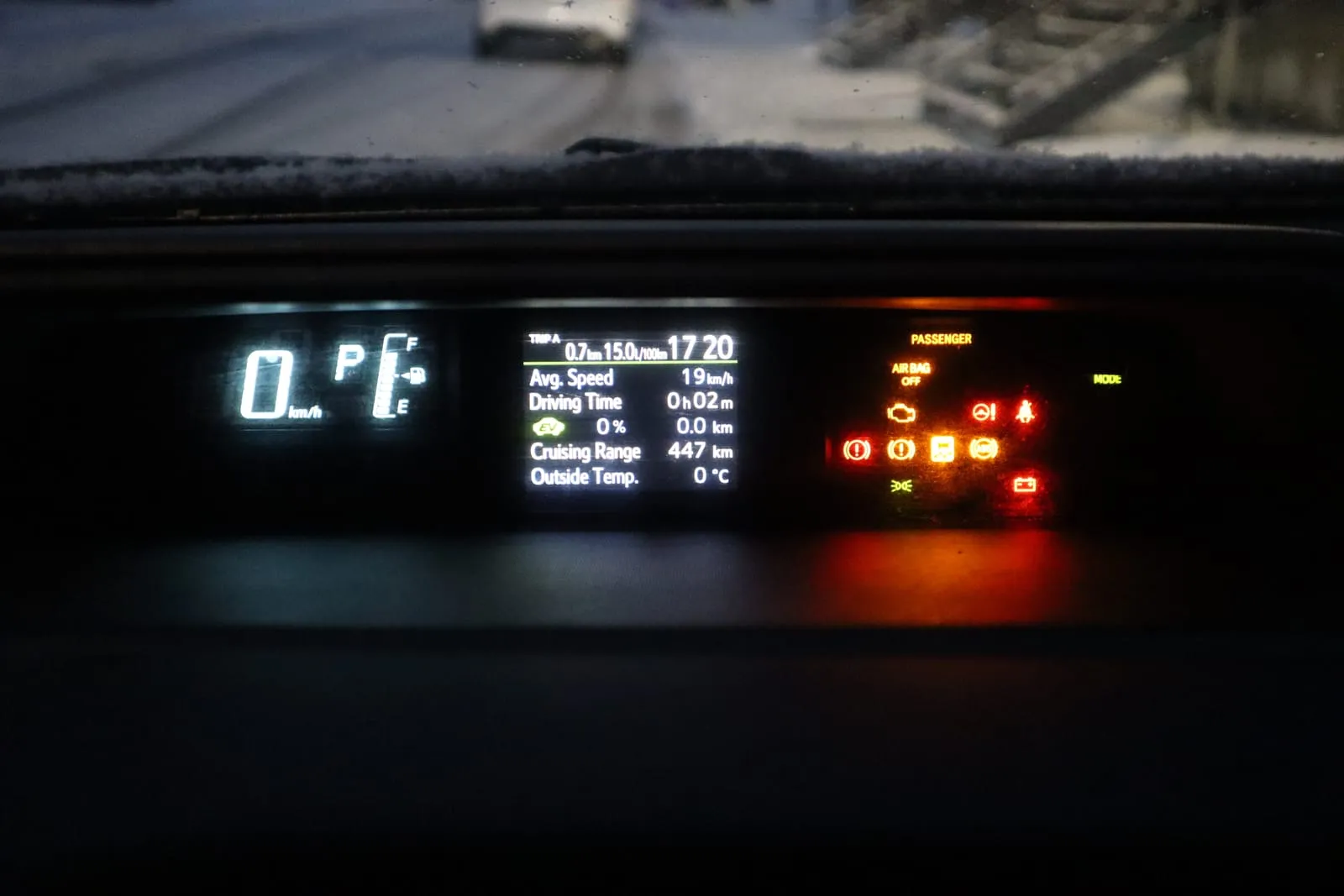
A small symbol lights up on your instrument cluster in the middle of a drive, and you have to decide: pull over now, or carry on home? Knowing the car dashboard lights meaning answers that in seconds, and it can save you an expensive repair or keep you out of real danger. This guide explains what the colours mean, the most common warning lights, and what to do when each one appears.
What do dashboard light colours mean?
Most manufacturers follow a similar colour scheme based on the international standard ISO 2575, which covers instrument-panel symbols. The colour alone tells you how serious things are before you even recognise the symbol:
| Colour | General meaning | What to do |
|---|---|---|
| 🔴 Red | Danger, or a fault that could cause serious damage soon | Stop somewhere safe as soon as possible and find the cause |
| 🟠 Yellow / amber | Caution, or a fault in one of the systems | You can usually continue carefully, but get it checked soon |
| 🟢 Green / 🔵 Blue | Information: a system is on | No action needed (for example high beam or cruise control) |
Rule of thumb: a flashing light is usually more urgent than a steady light of the same colour.
Dashboard warning lights symbols explained
The table below covers the most common warning lights. The exact symbol can vary slightly between models, so your owner’s manual remains the most accurate reference for your car.
| Light | Rough appearance | Usual colour | What it means | What to do |
|---|---|---|---|---|
| Oil pressure | Oil can with a drip | Red | Engine oil pressure is too low | Stop and switch the engine off immediately, then check the oil level |
| Engine temperature | Thermometer over waves | Red | The engine is overheating | Stop and switch off; never open the radiator cap while it is hot |
| Battery / charging | Battery with two terminals | Red | Charging system fault (often the alternator or its belt) | Cut electrical load and see a mechanic as soon as you can |
| Brake system | Exclamation mark in a circle | Red | Parking brake on, low brake fluid, or a brake fault | Make sure the parking brake is released; if it stays on, don’t risk driving |
| Check engine | Engine outline | Amber | Fault in the engine, exhaust system or sensors | Steady: get it checked soon. Flashing: slow down and stop |
| ABS | Letters ABS in a circle | Amber | Anti-lock braking system fault | Normal brakes usually still work, but drive carefully and get it checked |
| Airbag (SRS) | Seated person with a circle in front | Red or amber | Fault in the airbag system | The airbag may not deploy in a crash, so have it checked without delay |
| Tyre pressure (TPMS) | Tyre cross-section with an exclamation mark | Amber | One or more tyres are low on pressure | Check and inflate to the figure on the driver’s door sticker |
| Seat belt | Person wearing a belt | Red | Someone isn’t buckled up | Fasten seat belts before moving |
| Stability control | Car with wavy lines behind it | Amber | Flashes when working; stays on when faulty | Flashing on a slippery road is normal; a constant light needs checking |
Check engine light: when is it serious?
The check engine light causes the most confusion because it has so many possible causes, from something as minor as a loose fuel cap to a failing oxygen sensor or spark plugs.
- Steady light: you can usually keep driving carefully to a garage, where a mechanic reads the fault code with a diagnostic (OBD) scanner.
- Flashing light: this usually signals a misfire. Experts warn that continuing to drive can damage the catalytic converter within a short time, and it is an expensive part. Slow down and stop somewhere safe.
- On and off: the fault may be intermittent, such as a sensor that works some of the time. Don’t ignore it; intermittent faults often become permanent ones.
Why you must never ignore the oil pressure light
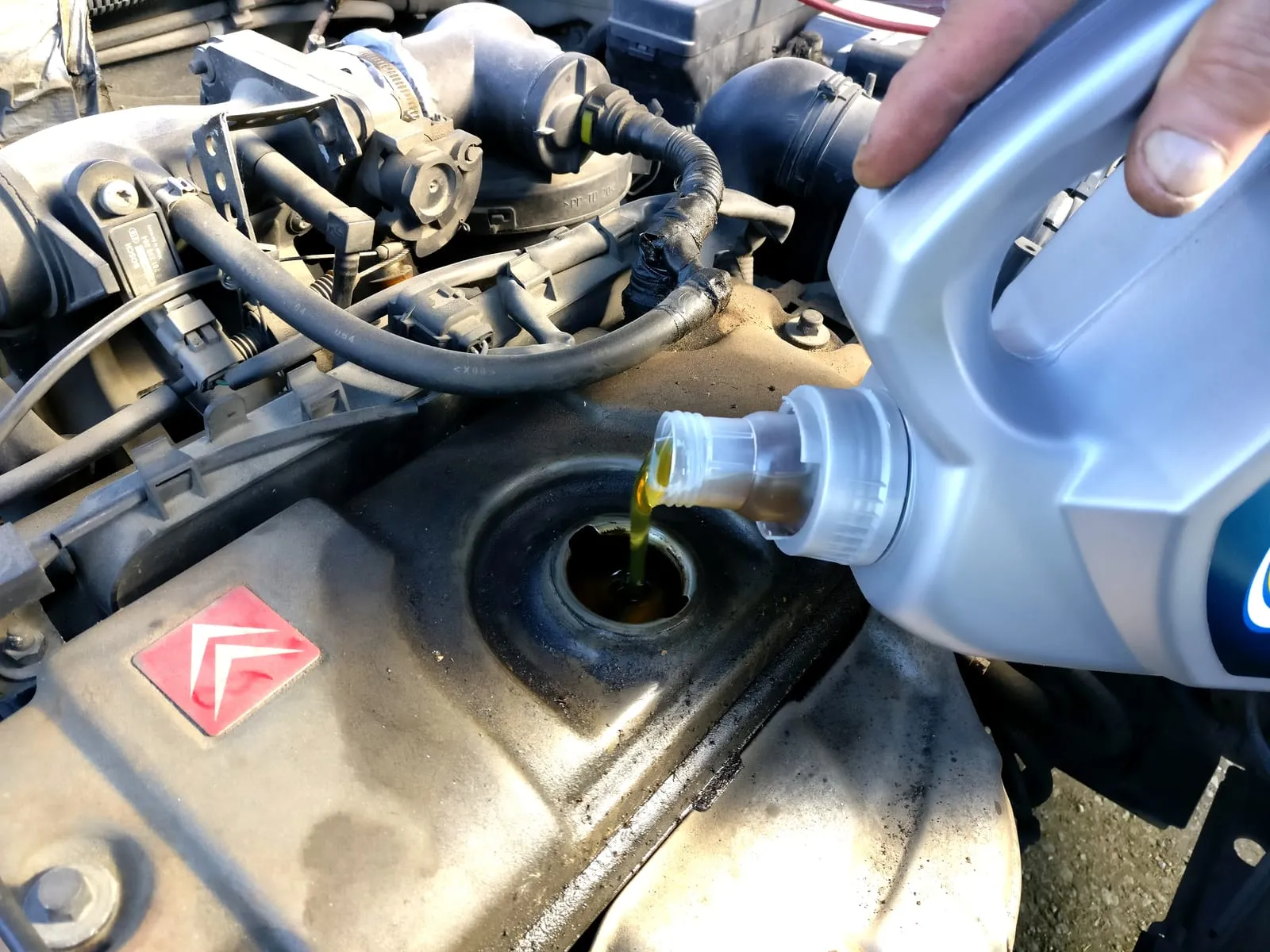
Oil keeps the engine’s metal parts from grinding against each other. When pressure drops, those parts can be damaged within minutes, sometimes enough to ruin the engine. That makes it one of the most serious red warnings: switch off straight away, wait a little, then check the level with the dipstick. To avoid the situation altogether, stick to the service intervals in our guide on how often to change engine oil.
Did you know? Dashboard symbols aren’t left to each carmaker’s imagination. They follow an international standard, ISO 2575, first published in the 1970s, which is why the oil can and battery symbols look so similar on cars from different countries.
General advice when any light comes on
- Stay calm and look at the colour first: red means stop, amber means check soon.
- Stop safely: use your hazard lights and get out of traffic before leaving the car.
- Check the owner’s manual: it shows every symbol and its exact meaning for your car.
- Note other symptoms: smoke, a burning smell, odd noises or loss of power, and tell the mechanic.
- Ask a qualified mechanic: don’t guess, especially with brake and airbag warnings.
- Don’t just clear the light: erasing the fault code doesn’t fix the fault.
Frequently asked questions
Which dashboard warning lights mean stop immediately?
The most important are the oil pressure, engine temperature and brake lights (when the parking brake isn’t on), plus a flashing check engine light. As a general rule, any red warning means stopping somewhere safe as soon as possible.
Why does my check engine light come on and then go off?
Usually because of an intermittent fault, such as a sensor giving erratic readings, a loose fuel cap, or a misfire that only happens under certain conditions. The only reliable way to know is to have the fault code read with a diagnostic scanner.
Can I drive with the ABS light on?
In most cars the normal brakes still work, but the anti-lock function may be off, so the wheels are more likely to lock under hard braking or on wet roads. Drive carefully and get it checked soon. If the red brake warning light is also on, don’t drive the car.
What does the exclamation mark on the dashboard mean?
It appears in several symbols. Inside a circle, it usually means a brake problem or that the parking brake is on. Inside a tyre outline, it means low tyre pressure. Inside a triangle, it is a general warning, with details shown on the car’s display.
Key takeaway
Understanding the car dashboard lights meaning starts with colour: red is danger and means stop, amber is a warning to get checked soon, and green or blue is just information. Never ignore a warning light, always check your owner’s manual, and see a qualified mechanic before a small fault becomes a costly repair.