How Often Should You Change Engine Oil? A Practical Guide
How many kilometres between oil changes? Typical intervals for conventional and synthetic oil, when to change sooner, and how to check your oil level.
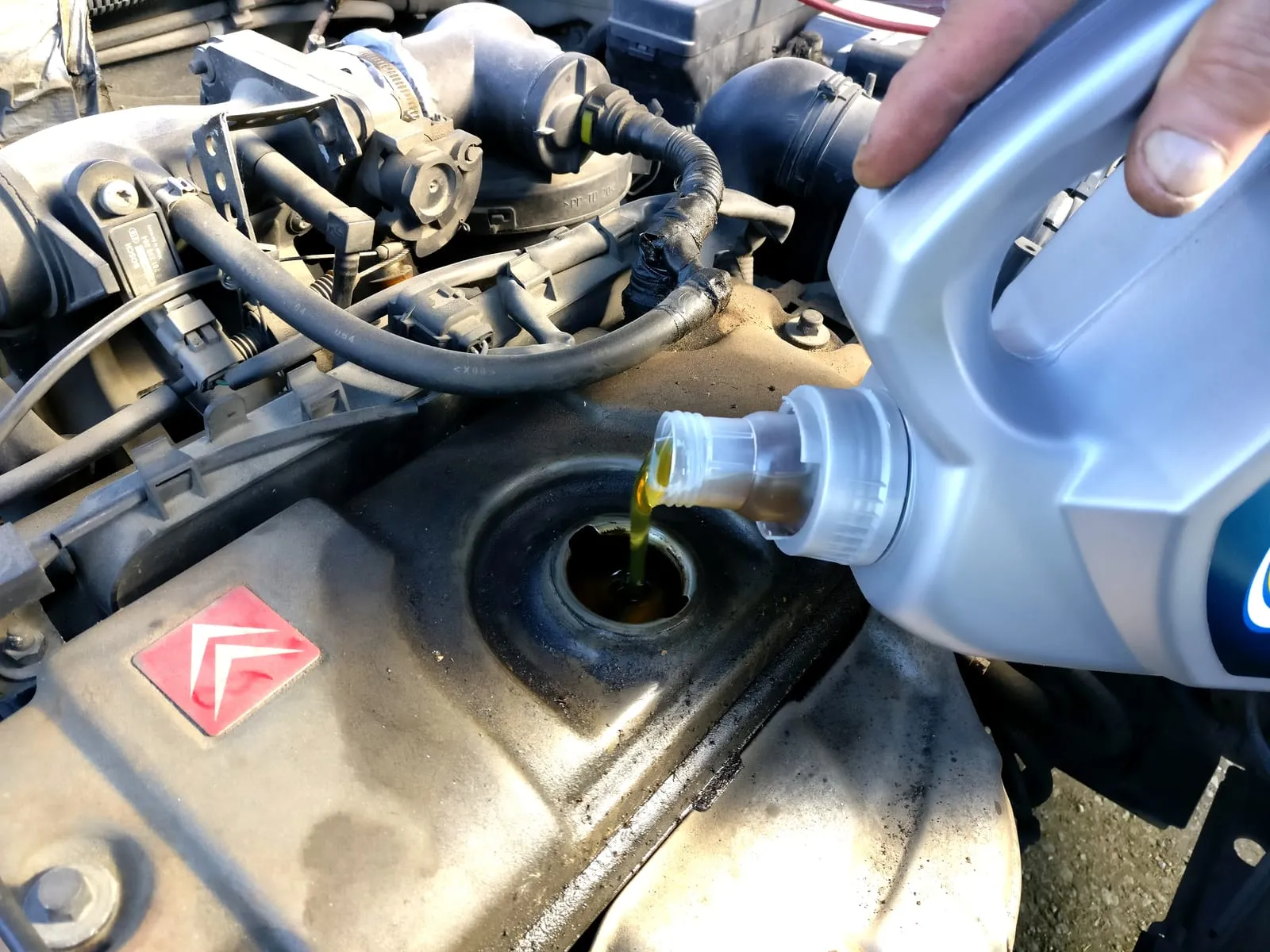
Engine oil is your car’s lifeblood. It reduces friction between metal parts, helps carry heat away and keeps the engine clean. Over time it wears out and stops protecting as well. That leaves drivers with one common question: how often should you change your engine oil?
The short answer: check your owner’s manual
The most accurate answer is in your car’s owner’s manual, because the manufacturer sets the interval for that specific engine. Many modern cars also show a service reminder on the dashboard when an oil change is due.
As a rough general guide, though, the interval depends on the type of oil.
Typical intervals by oil type
| Oil type | Typical interval | Notes |
|---|---|---|
| Conventional (mineral) | About 5,000 km | Cheapest; often used in older engines |
| Semi-synthetic (blend) | About 7,000–8,000 km | A middle ground on price and performance |
| Full synthetic | About 10,000–15,000 km | Handles high heat and protects for longer |
These are common rule-of-thumb figures, and your manufacturer may specify something different. Always follow the manufacturer’s recommendation.
Don’t forget time
Even if you drive very little, oil ages over time and is affected by moisture and heat. That’s why many manufacturers recommend changing it at least once a year, or at the interval in the manual, whichever comes first: distance or time.
When should you change it sooner?
Carmakers treat some conditions as “severe service” and recommend shorter intervals for them. They include:
- Driving in extreme heat, which is normal in many parts of the Middle East and beyond
- Dusty or desert roads
- Frequent short trips in which the engine never fully warms up
- Heavy stop-and-go traffic
- Towing or carrying heavy loads
Did you know? The code on an oil bottle, such as 5W-30, describes its viscosity. The W stands for winter. The number before it shows how easily the oil flows when cold, and the number after it shows its thickness at normal engine operating temperature.
How to check your oil level
It’s a good habit to check your oil about once a month and before a long trip:
- Park on level ground, switch the engine off and wait a few minutes.
- Pull out the dipstick, wipe it with a clean cloth and push it fully back in.
- Pull it out again and look at the oil mark. It should sit between the minimum and maximum marks.
- If it’s low, top up gradually with the oil grade recommended for your car.
Warning signs that call for a check include the oil warning light on the dashboard, unusual engine noises, or a smell of burning oil. If the red oil-pressure light comes on, stop safely and have the car checked.
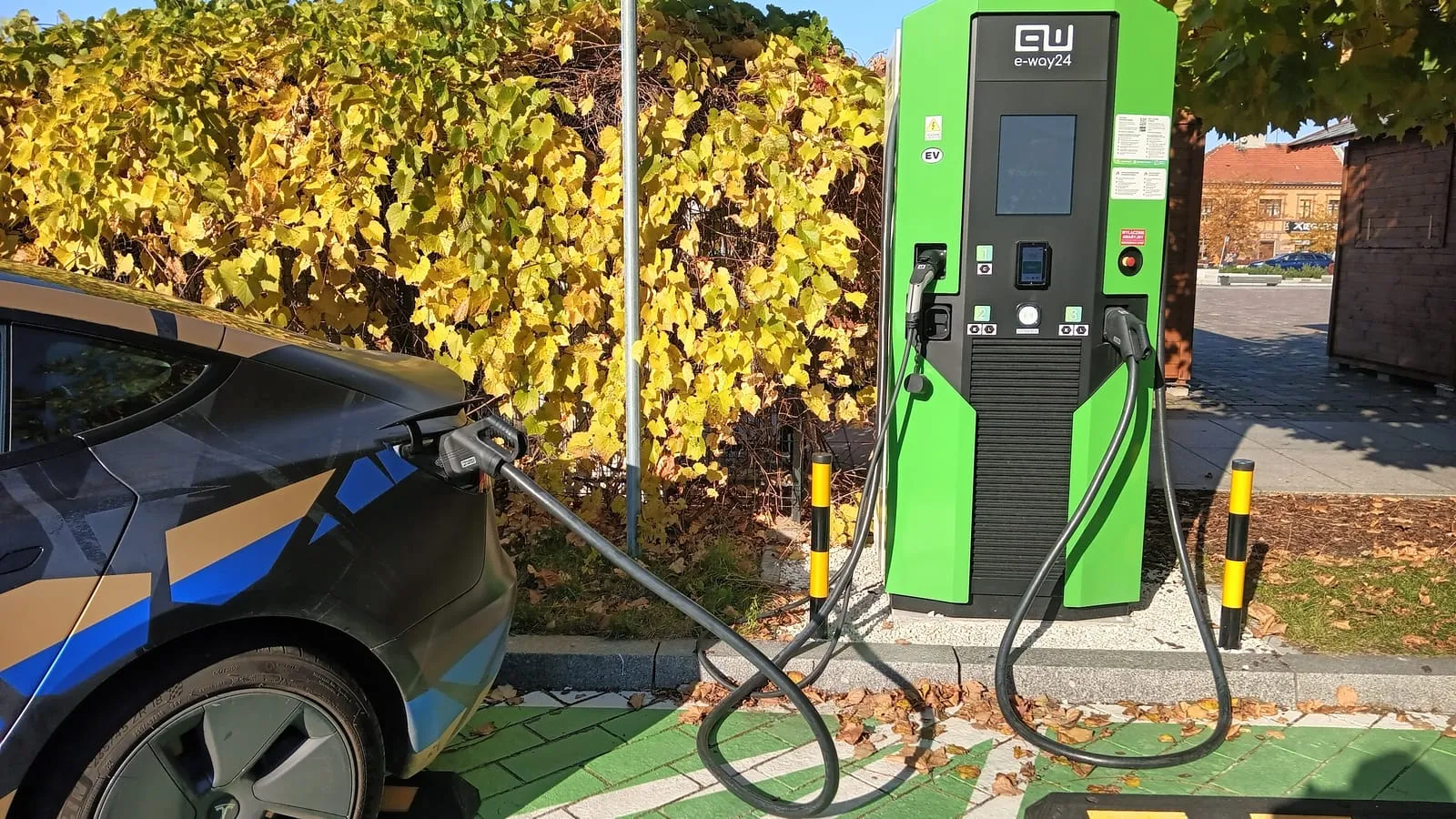
Thinking about your next car? You might like our guide to hybrid vs electric cars. Fully electric cars don’t need engine oil changes at all.
Frequently asked questions
Should I change the oil filter every time?
That’s the usual advice. An old filter holds dirt, and replacing it keeps the new oil clean. Check your manual to be sure.
How often should transmission fluid be changed?
Transmission fluid is different from engine oil, and its intervals are much longer and vary widely between cars. Some manufacturers set long intervals, while others treat it as fluid that doesn’t need routine changes under normal use. Check your manual or your dealer.
Can I mix conventional and synthetic oil?
Modern oils are generally compatible in a pinch, but it’s best to use the type and viscosity your manufacturer recommends.
What happens if I’m late with an oil change?
The oil loses its ability to lubricate and clean, so friction, heat and deposits build up. Over time this can wear the engine and lead to costly repairs.
Key takeaway
There’s no single number for every car. As a rough guide, conventional oil is usually changed about every 5,000 km and synthetic about every 10,000–15,000 km, and the oil should be changed at least once a year. Your owner’s manual comes first, and heat, dust and heavy traffic call for earlier changes.