Hot vs Cold Crypto Wallet: What's the Difference?
Hot vs cold crypto wallet explained: what a cold wallet is, private keys and seed phrases, which one suits you, and tips to protect your crypto from hacks.
Every time a major crypto exchange makes headlines over a hack, the same question comes up: where can I keep my crypto safely? That’s where two key terms appear: hot wallets and cold wallets. This guide explains the hot vs cold wallet difference in plain language, when each one makes sense, and how to avoid the most common mistakes.
This article is for education only and is not investment advice. Cryptocurrencies are high-risk and can lose much or all of their value.
What is a crypto wallet, really?
Your coins don’t actually sit inside the wallet. They stay recorded on the blockchain. What the wallet stores is the crucial part: your private key, the secret code that proves you own the coins and lets you send them.
- Public address: like an account number you share so people can pay you.
- Private key: like a password and signature in one. Whoever has it controls the coins.
- Seed phrase (recovery phrase): usually 12 or 24 words that can restore your keys on any other device.
New to the topic? Start with what is cryptocurrency.
What is a hot wallet?
A hot wallet is any wallet whose keys live on a device that is connected to the internet. Examples include:
- Mobile wallet apps.
- Browser extension wallets on a computer.
- Your account on a crypto exchange, where the exchange holds the keys for you.
Pros: usually free, easy to use, and quick for sending, receiving and trading.
Main drawback: being always online makes it more exposed to hacking, malware and phishing links.
What is a cold wallet?
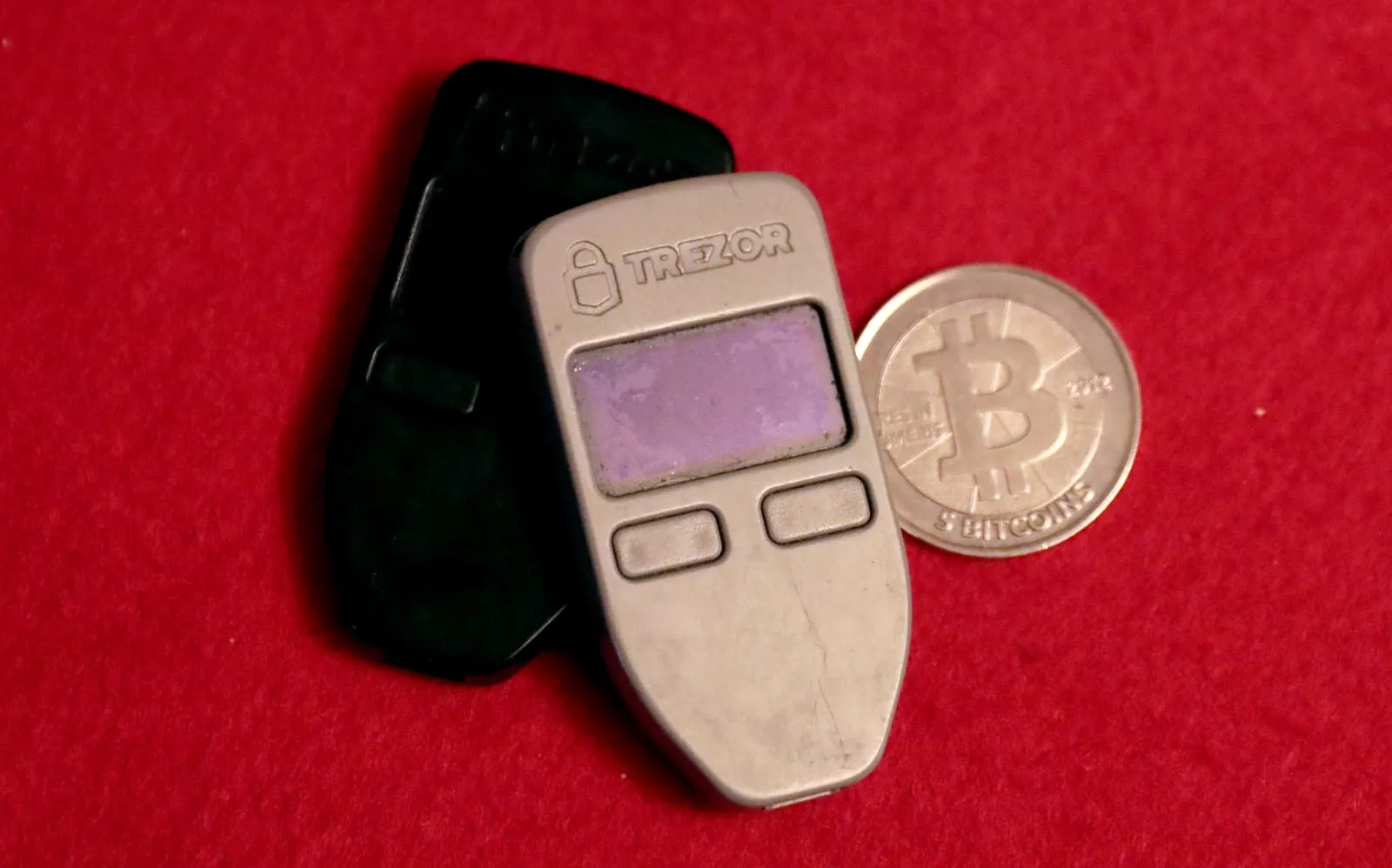
A cold wallet keeps your private keys offline. The most common type is a hardware wallet: a small device, often the size of a USB stick, that generates the keys and keeps them inside. When you send crypto, you approve the transaction on the device itself, so the private key never leaves it.
Pros: far stronger protection against remote hacks, and well suited to long-term storage.
Cons: it costs money, it’s slower for everyday use, and you must guard the seed phrase very carefully.
Hot vs cold wallet at a glance
| Feature | Hot wallet | Cold wallet |
|---|---|---|
| Internet connection | Always online | Keys kept offline |
| Security | Lower | Higher |
| Ease of use | Quick and convenient | Slower, more steps |
| Cost | Usually free | Requires buying a device |
| Best for | Small amounts, daily use | Larger amounts, long-term holding |
That’s why many people use both: a hot wallet with a small amount for everyday use, and a cold wallet for the rest, just as you’d carry some cash in your pocket and keep the rest somewhere safe.
Did you know? Crypto has a famous saying: “Not your keys, not your coins.” It means that when you leave coins on an exchange, you are trusting the exchange to protect them. Many people learned this the hard way when the Mt. Gox exchange collapsed in 2014.
How to protect your crypto
- Never share your seed phrase with anyone, even someone claiming to be tech support. No legitimate service will ever ask for it.
- Write it on paper or a metal plate and store it somewhere safe. Don’t photograph it or keep it in your phone, email or cloud storage.
- Buy a hardware wallet from the manufacturer or an authorised reseller. If the box contains a pre-written seed phrase, treat the device as compromised.
- Turn on two-factor authentication for exchange accounts, preferably with an authenticator app rather than SMS.
- Watch out for phishing: check the website address before logging in, and don’t install apps from unknown sources.
- Double-check the address before sending, because blockchain transfers usually can’t be reversed.
To understand the malware that targets your devices, read virus vs worm vs Trojan.
Frequently asked questions
Is a cold wallet 100% safe?
Nothing is completely safe. A cold wallet protects you against remote hacking, but not if someone steals your seed phrase or tricks you into approving a fraudulent transaction.
What happens if I lose my hardware wallet?
Your coins aren’t lost as long as you have your seed phrase; you can restore them on a new device. If you lose both the device and the phrase, you may lose access for good.
Can I turn a hot wallet into a cold wallet?
Not the app itself, but you can send your coins from the hot wallet to your cold wallet’s address.
Do I need a cold wallet for a small amount?
For small amounts, a reputable hot wallet with strong security settings may be enough. The larger the amount, the more cold storage matters.
Key takeaway
The hot vs cold wallet difference comes down to the internet connection: hot wallets are fast and convenient but more exposed, while cold wallets are slower but much safer for larger amounts. Whichever you choose, the golden rule is to protect your seed phrase and never share it with anyone.
This article is for general education and is not financial or investment advice.