Why Does the Price of Gold Rise? How Gold Is Priced
Why does the gold price rise and fall? A simple guide to how gold is priced in London, the role of the dollar, interest rates, central banks and local prices.
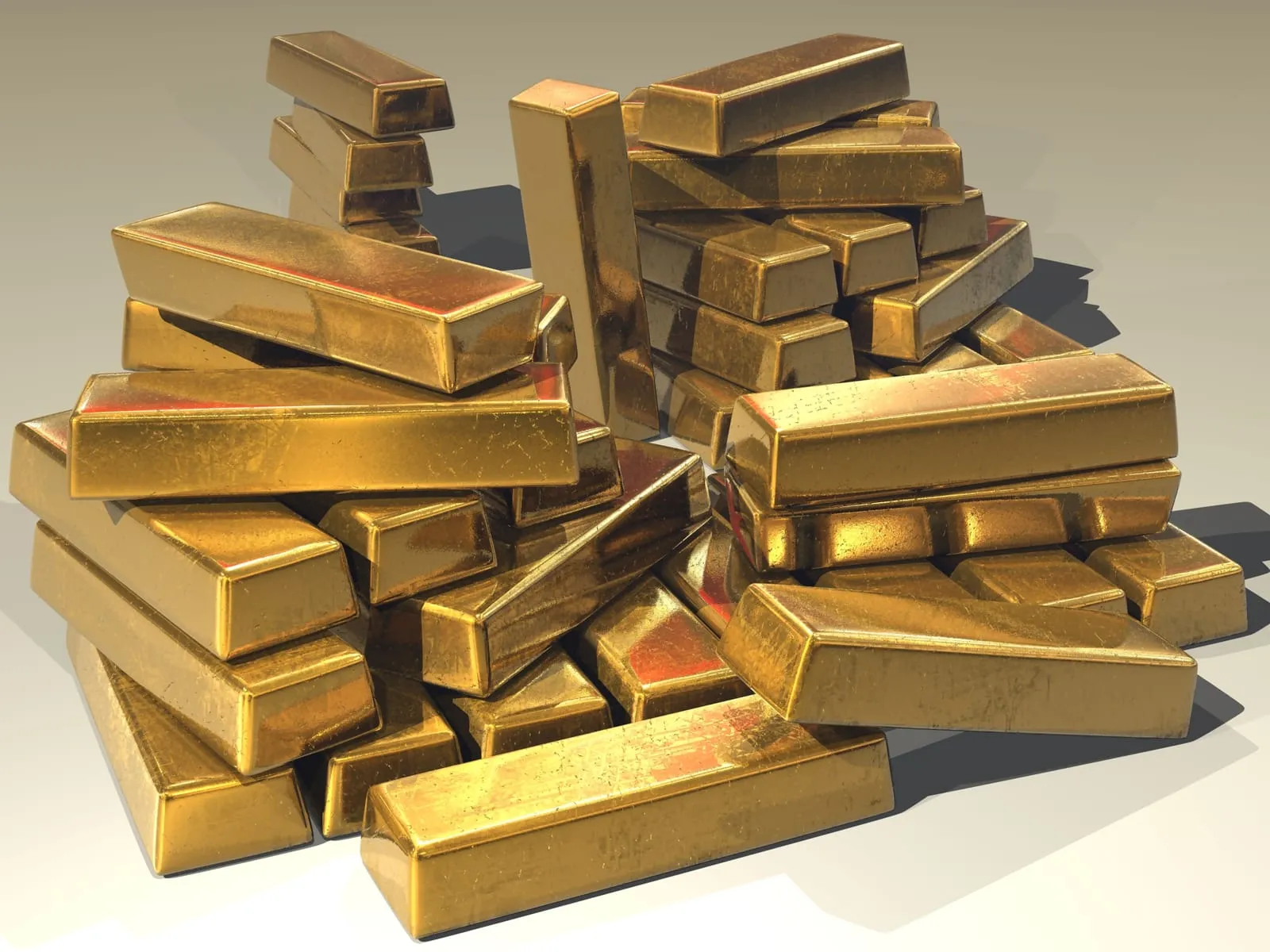
“Gold price today” is one of the most searched phrases across the Middle East every single day. But behind the number on the jeweller’s board is a bigger question: why does the price of gold rise so quickly at times, then fall back on other days? And who sets it in the first place? This guide explains the whole picture in plain language, with no predictions and no investment advice.
How is the gold price determined worldwide?
No single body “decides” the price of gold. It comes from supply and demand in global markets that trade almost around the clock. The most important are:
- London: the world’s largest market for physical gold. Twice a day (10:30 and 15:00 London time) it publishes the LBMA Gold Price, a benchmark set through an electronic auction between accredited banks and run by ICE Benchmark Administration since 2015.
- New York (COMEX): where gold futures contracts are traded.
- The Shanghai Gold Exchange: important because China is one of the world’s biggest gold consumers.
Globally, gold is quoted in US dollars per ounce. A troy ounce, the unit used for gold, is about 31.1 grams.
Why does the price of gold rise? Six main reasons
1. A weaker US dollar
Because gold is priced in dollars, a weaker dollar makes it cheaper for people holding other currencies. Demand rises, and so does the price. The reverse usually holds too.
2. Lower interest rates
Gold pays no interest or dividends. When rates on savings and bonds fall, the “cost” of holding gold falls with them and investors buy more. When real interest rates (after inflation) climb, gold usually loses some of its shine.
3. Inflation
When prices rise and currencies lose value, many people turn to gold to protect their wealth. Learn more in our guide to what inflation is.
4. Central bank buying
Central banks hold gold in their reserves. According to the World Gold Council, they bought more than 1,000 tonnes in 2022, a record, and kept buying at high levels in the years that followed. That steady demand supports the price.
5. Uncertainty and fear
During economic crises and global tension, gold is seen as a “safe haven”, so demand goes up.
6. Limited supply
Mine output barely changes from year to year and can’t be ramped up quickly. So the price tends to move because of changes in demand more than supply.
Did you know? The ounce in gold news isn’t the ounce in your kitchen. A regular ounce is about 28.35 grams, while a troy ounce of gold is about 31.1 grams.
Why does the price of gold fall?
The same forces work in reverse: a stronger dollar, higher interest rates, calmer markets that pull investors back into stocks, or investors selling to lock in profits after a big run-up. That’s why gold moves up and down every day, and why nobody can know its next direction for certain.
How is the price of a gram calculated locally?
Local prices are built on the global price, roughly like this:
| Step | What happens |
|---|---|
| 1 | Price per ounce in USD ÷ 31.1 = price of one gram of pure (24-karat) gold in USD |
| 2 | Multiply by the local exchange rate against the dollar |
| 3 | Multiply by the karat’s purity: 21K = 21/24, 18K = 18/24 |
| 4 | Add the making charge, the dealer’s margin and any local taxes or fees |
That’s why gold can cost different amounts in two countries on the same day. To understand karats, read 18K vs 21K vs 24K gold, and for the currency side, see how exchange rates are determined.
Frequently asked questions
Why is gold going up right now?
Usually it’s a mix of factors: expectations of interest-rate cuts, a weaker dollar, central bank buying and nervous markets. How much each one matters changes over time.
Who sets the price of gold?
No single person or country. It’s set by supply and demand in global markets, and the key benchmark is published in London twice a day.
Why is gold more expensive in some countries than the world price?
Local prices also depend on the exchange rate, local demand, making charges and taxes. If the local currency weakens, the price per gram rises even when the global price stays flat.
If gold is rising, will it keep rising?
Not necessarily. Past performance doesn’t guarantee the future, and gold has gone through long periods of decline. This article is for education only, not a recommendation to buy or sell.
Key takeaway
Gold is priced globally in dollars per ounce in markets such as London, New York and Shanghai. It tends to rise when the dollar weakens, interest rates fall, inflation climbs, central banks buy and uncertainty grows. The price per gram where you live then adds the exchange rate, the karat’s purity and the making charge.
This article is for general education and is not financial or investment advice.