How Many Bones Are in the Human Body? Adults vs Babies
How many bones does an adult have, and why do babies have more? Bone counts for the skull, spine, ribs, hands and feet, plus the largest and smallest bones.
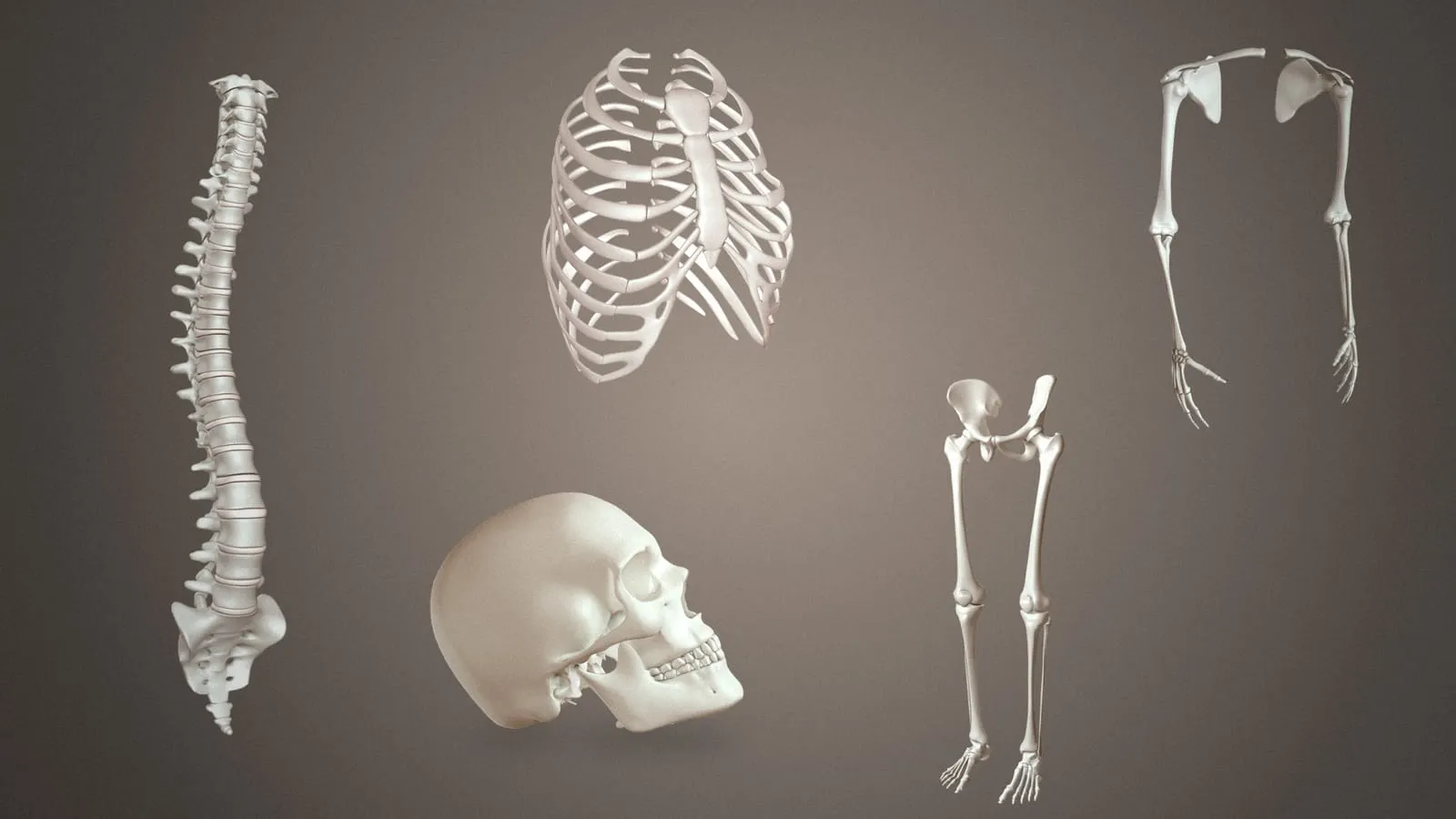
Your skeleton protects your organs, gives your body its shape and lets you move. So how many bones are in the human body, and why is a baby born with more bones than an adult? Here is the full answer, with a table of the bones in each part of the body.
How many bones does an adult have?
An adult human skeleton usually has 206 bones. They fall into two main groups:
- The axial skeleton (80 bones): the skull, spine and rib cage. It forms the body’s central axis and protects the brain, heart and lungs.
- The appendicular skeleton (126 bones): the arms and legs, plus the shoulder and pelvic girdles that attach the limbs to the body.
The exact number varies a little between people. Some have an extra rib, for example, or extra small bones in the hands or feet.
Why do babies have more bones?
A newborn has around 270 to 300 bones and bony parts, many of them made partly of cartilage. As the child grows, many of these fuse together into single bones.
The skull is the clearest example. At birth its bones are separate, with soft gaps called fontanelles between them. These let the head pass through the birth canal and give the brain room to grow. The bones then gradually fuse.
The sacrum at the base of the spine works the same way. It starts as 5 separate vertebrae in a child and later fuses into one bone.
Table: bones by body part
| Body part | Bones in an adult |
|---|---|
| Skull | 22 (8 cranial, 14 facial) |
| Middle-ear ossicles | 6 (3 in each ear) |
| Spine | 26 (24 vertebrae, plus the sacrum and coccyx) |
| Rib cage | 25 (24 ribs, plus the sternum) |
| Hands | 54 (27 in each hand) |
| Feet | 52 (26 in each foot) |
Notice that the hands and feet alone contain 106 bones, more than half the bones in the whole body. That’s what gives them so much flexibility and precision.
The largest and smallest bones
- The largest and longest bone is the femur (thigh bone). It’s also one of the strongest, and it’s roughly a quarter of a person’s height.
- The smallest bone is the stapes (stirrup). It’s one of the three tiny bones of the middle ear, only about 3 mm long, and it helps carry sound to the inner ear.
Did you know? A giraffe’s neck has only 7 vertebrae, the same number as a human neck! The difference is that each giraffe vertebra is far longer.
Bone is living tissue
Bones look hard and lifeless, but they are living tissue that renews itself constantly. Throughout life the body breaks down old bone and builds new bone in its place. Bones also store most of the body’s calcium, and the marrow inside some of them makes blood cells.
To keep bones strong, the general advice is a calcium-rich diet, sensible sun exposure for vitamin D, and regular physical activity, especially walking and strength exercises.
Want to learn more about your body? Read: What is the largest organ in the human body?
Frequently asked questions
How many bones do adults and babies have?
Adults usually have 206 bones. Newborns have around 270 to 300 bones and bony parts, many of which fuse as they grow.
How many bones are in the skull?
22: 8 form the cranium around the brain and 14 form the face. The six ear ossicles are usually counted separately.
How many bones are in the spine?
26 in an adult: 7 cervical, 12 thoracic and 5 lumbar vertebrae, plus the sacrum and the coccyx.
What is the strongest bone in the body?
The femur, which is also the longest and largest bone.
Key takeaway
An adult has 206 bones, while a baby starts with roughly 270 to 300 that fuse with growth. The longest is the femur, the smallest is the stapes in the ear, and more than half of all our bones are in the hands and feet.