The Human Heart: Where It Is, How It Works and Facts
Where is the human heart located, left or right? Learn the heart's size, its four chambers, how it pumps blood, how many times it beats a day, and more.
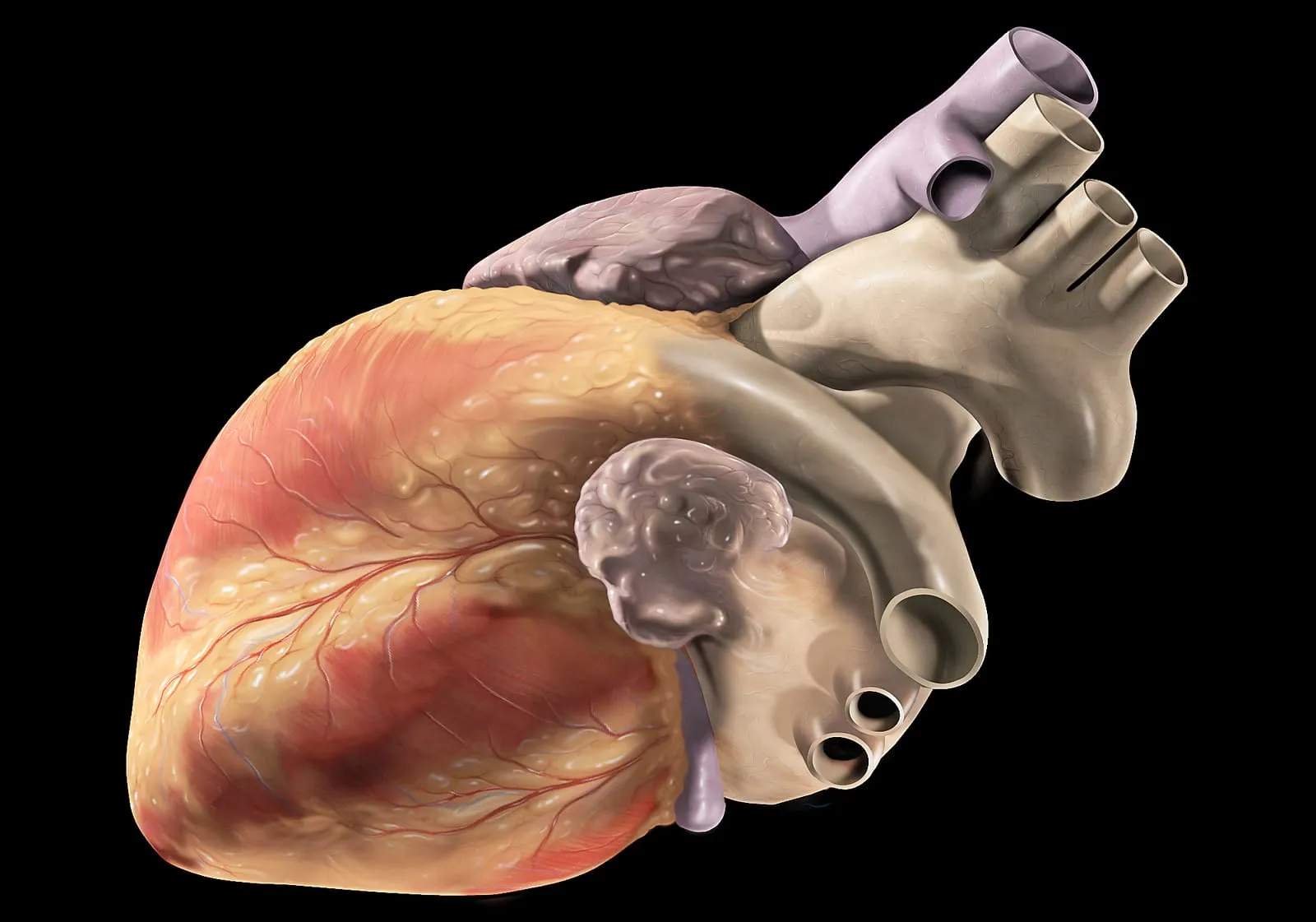
The human heart starts beating before we are born and keeps going until our final moment, without rest and without us ever asking it to. Where exactly is the heart? Is it really on the left? And how does it push blood to every cell in the body? Here’s a simple tour of this remarkable muscle.
Where is the human heart located?
The heart sits roughly in the middle of the chest, between the lungs and behind the breastbone, in a space called the mediastinum. But it is tilted slightly to the left: its pointed lower tip (the apex) points to the left side, which is why you feel your heartbeat more on the left of your chest.
So, is the heart on the left or the right? The answer: in the centre, angled to the left. In very rare cases, people are born with the heart pointing to the right, a condition called dextrocardia.
How big is the heart?
- Size: about the size of an adult’s clenched fist.
- Weight: around 250 to 350 grams in adults, depending on body size.
- Covering: it sits inside a double-layered sac called the pericardium, which protects it and reduces friction as it beats.
The chambers of the heart
The heart has four chambers:
| Chamber | What it does |
|---|---|
| Right atrium | Receives blood returning from the body, low in oxygen |
| Right ventricle | Pumps that blood to the lungs to pick up oxygen |
| Left atrium | Receives oxygen-rich blood from the lungs |
| Left ventricle | Pumps oxygen-rich blood to the whole body; the strongest chamber, with the thickest wall |
Between the chambers are four valves that act like one-way doors, stopping blood from flowing backwards. The “lub-dub” sound of a heartbeat is actually the sound of these valves closing.
How does the heart work?
The heart is two pumps in one:
- The right side sends blood on a short trip to the lungs, called pulmonary circulation, where it drops off carbon dioxide and picks up oxygen.
- The left side sends oxygen-rich blood to the brain, muscles and every organ in systemic circulation. The blood then returns to the right side and the cycle starts again.
The heart also has its own electrical system, which starts in a cluster of cells called the sinoatrial (SA) node, the body’s natural pacemaker. That’s why the heart beats on its own, without any conscious command from us.
Did you know? An adult heart beats about 100,000 times a day, more than 2 billion times over an average lifetime. At rest it pumps about 5 litres of blood every minute, which adds up to roughly 7,000 litres a day.
How many times does the heart beat per minute?
A normal resting heart rate for adults is usually 60 to 100 beats per minute. It rises with exercise, emotion and heat, and slows during sleep. Well-trained athletes often have a slower resting pulse, because their hearts pump more blood with each beat.
Normal rates are different for children, whose hearts beat faster than adults’.
Habits that keep your heart healthy
These are general healthy-living tips, not a substitute for advice from a doctor:
- Move regularly, for example brisk walking on most days of the week.
- Eat a balanced diet rich in vegetables, fruit and whole grains, with less salt, sugar and saturated fat.
- Don’t smoke.
- Get enough sleep; see how much sleep do you need.
- Have regular check-ups for blood pressure, blood sugar and cholesterol, as your doctor advises.
For more body facts, read how many bones are in the human body.
Frequently asked questions
Is the heart on the left side of the chest?
The heart is near the centre of the chest, tilted to the left, which is why the heartbeat is felt more on the left.
How big is a human heart?
About the size of an adult’s fist, weighing roughly 250 to 350 grams.
Why doesn’t the heart get tired?
Heart muscle is a special type of muscle packed with mitochondria, the cell’s energy producers. It gets a rich blood supply through the coronary arteries, and it rests for a fraction of a second between beats.
When does a baby’s heart start beating?
A baby’s heart forms and starts beating very early, in the first weeks of pregnancy, before many other organs have finished developing.
Key takeaway
The human heart is a fist-sized muscle in the middle of the chest, tilted to the left, with four chambers and four valves. It beats about 100,000 times a day and pumps thousands of litres of blood to the lungs and the whole body, and regular activity, a balanced diet and not smoking all help protect it.