How to Save Electricity at Home: 12 Ways to Cut Your Bill
Practical ways to save electricity at home and lower your bill: air conditioner settings, LED bulbs, the fridge, washing machine, water heater and standby power.
A shock of an electricity bill sends a lot of people searching for ways to bring it down. The good news is that learning how to save electricity at home doesn’t take gadgets or sitting in the dark. It takes a few habits and knowing which appliances really eat power. Here are the most effective steps, roughly in order of impact.
Where does your home’s electricity go?
Before you can save, you need to know what’s using the power. The split varies from home to home and country to country, but appliances that heat or cool things are usually the big ones:
| Appliance | Why it uses so much |
|---|---|
| Air conditioner and electric heater | Run for hours at high power; often the biggest item on the bill in summer and winter |
| Electric water heater | Heating water takes a lot of energy, and many heaters are left on all day |
| Fridge and freezer | Run 24 hours a day, all year |
| Washer, dryer, iron and electric oven | High power, even if used for short periods |
| Lights, screens and chargers | Small individually, but they add up |
So the biggest savings come from cooling, heating and hot water, not just switching off one light.
1–3: Air conditioning and heating
- Set the air conditioner to 24–26 °C in summer. India’s Bureau of Energy Efficiency estimates that each degree you raise the setting cuts its electricity use by about 6%. Setting it to 18 °C doesn’t cool the room faster; it just makes the unit run longer.
- Clean the AC filter regularly, every two weeks to a month during heavy use. A clogged filter makes the unit work harder.
- Keep the heat out (or in). Close curtains on sunny summer days, and seal gaps around doors and windows in winter, so the AC or heater runs less. In winter, wearing warmer clothes and turning the heater down a little makes a real difference.
4–6: Lighting and standby power
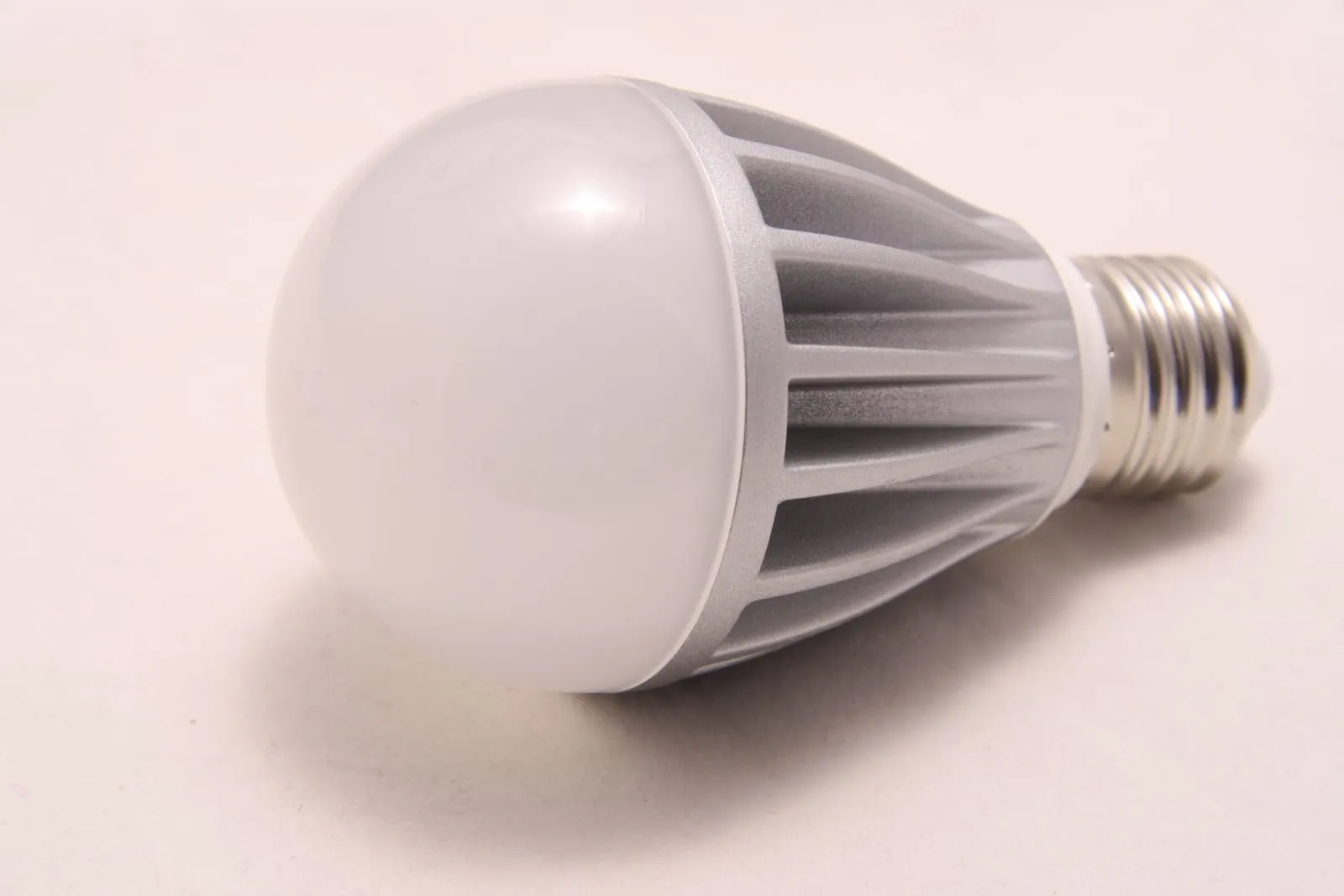
- Switch to LED bulbs. LEDs use around 75% less energy, or more, than old incandescent bulbs and last many years longer.
- Unplug what you’re not using. TVs, set-top boxes, chargers and games consoles keep drawing power on standby. The US Department of Energy estimates this hidden load can make up around 5–10% of a home’s electricity use. A switched power strip lets you turn off a whole cluster of devices at once.
- Use daylight, and turn off lights in empty rooms.
7–10: Kitchen, laundry and hot water
- Fridge: set it to around 3–5 °C and the freezer to around −18 °C. Keep it away from the oven and direct sun, leave space behind it for the coils to breathe, check that the door seal closes tightly, and let hot food cool before putting it in.
- Washing machine: run full loads and use cold or warm water where you can, since most of a washer’s energy goes into heating water.
- Dryer and iron: air-dry clothes whenever possible, and iron in one big batch rather than heating the iron again and again.
- Water heater: don’t leave it on all day if you don’t need to. Switch it on in good time before use or fit a timer, turn the temperature down to a moderate setting, and fix dripping hot taps.
Did you know? The electricity wasted by devices on standby is often called “vampire power”, because it’s quietly drained by appliances you think are switched off.
11–12: Buying appliances and reading your bill
- Choose efficient appliances. Look for the energy label or star rating when buying an air conditioner, fridge or washer. Inverter air conditioners usually use less power than conventional ones, because they adjust the compressor’s speed instead of constantly switching it on and off. A higher price tag can pay for itself on your bills over a few years.
- Understand tiered pricing. In many countries, the price per kilowatt-hour rises as your monthly use climbs. Cutting consumption a little can drop you into a cheaper tier, shrinking the bill by more than the energy you actually saved. Check your electricity provider’s website for current rates.
Beware of “electricity saving devices”
Online ads promote small plug-in boxes that supposedly slash your bill. There’s no reliable evidence that these gadgets save real electricity in homes, consumer protection groups have warned about them, and some are poorly made and potentially unsafe. Real savings come from using less energy.
To understand why prices rise in general, read What is inflation? And if you’re looking for extra income from home, see Home business ideas.
Frequently asked questions
Which appliance uses the most electricity at home?
In most homes it’s the air conditioner or an electric heater, followed by the electric water heater, then the fridge because it never stops running.
How can I save electricity with my AC?
Set it to 24–26 °C in summer, clean the filter regularly, close windows and curtains, run a fan alongside it so a higher setting feels cooler, and switch it off when you leave the room.
Does turning appliances off and on use more electricity?
For lights and ordinary household devices, no. Switching something off when you don’t need it almost always saves electricity.
Are LED bulbs worth the money?
Generally yes. They use a fraction of the energy of traditional bulbs and last for years, so the price difference comes back through your bills.
Does unplugging chargers really help?
A phone charger uses very little, but leaving chargers plugged in with nothing attached still wastes a small amount, so unplug them when you’re done.
Key takeaway
Saving electricity at home starts with the appliances that use the most: set the AC to 24–26 °C and keep its filter clean, control your water heater, switch to LEDs, cut standby power and run full washing loads. These simple habits genuinely lower your electricity bill, with no “magic” gadgets required.