Who Was Ibn Sina (Avicenna)? Life, Books and Achievements
Who was Ibn Sina, known in the West as Avicenna? A short biography, his Canon of Medicine taught in Europe for centuries, and his key achievements.
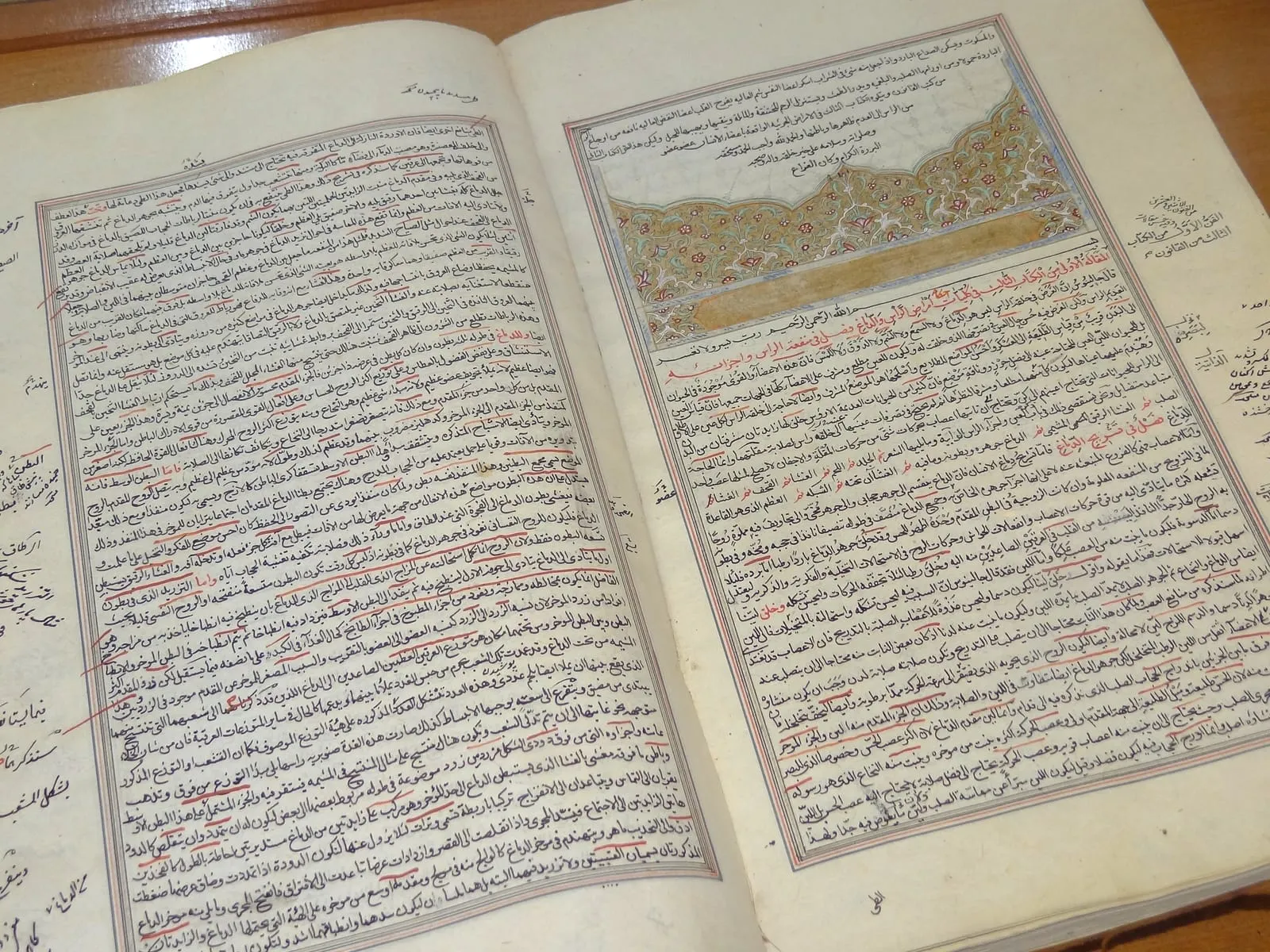
About a thousand years ago, a young scholar wrote a medical encyclopedia that was still being taught in European universities centuries later. He was Ibn Sina, known in the Arab world as “al-Shaykh al-Ra’is” (the Chief Master) and in the West as Avicenna. So who was Ibn Sina, and what did he achieve?
Ibn Sina in brief
His full name was Abu Ali al-Husayn ibn Abd Allah ibn Sina. He was a physician, philosopher and polymath, born around 980 AD in the village of Afshana near Bukhara, in today’s Uzbekistan. He died in 1037 AD in Hamadan, in today’s Iran.
He lived during a golden age of science in the Islamic world and wrote most of his works in Arabic, the language of scholarship at the time.
Early life
Ibn Sina’s talent showed very early. As a boy he studied language, literature, logic and mathematics, then turned to medicine, which he mastered as a teenager. In his autobiography he says he had finished studying most of the known sciences of his day by about the age of 18.
A turning point came when he treated Nuh ibn Mansur, the Samanid ruler of Bukhara, for an illness other doctors couldn’t cure. As a reward he was allowed into the royal library, one of the richest of its time, where he read widely.
His most famous books
- The Canon of Medicine (al-Qanun fi al-Tibb): his best-known work, a medical encyclopedia in five books that organised the medical knowledge of his age and added his own experience. It was translated into Latin in the 12th century and remained a major textbook in European universities until about the 17th century.
- The Book of Healing (al-Shifa): a vast encyclopedia of philosophy and science, covering logic, natural sciences, mathematics and more.
- The Book of Salvation (al-Najat): a shorter version of al-Shifa.
Hundreds of works are attributed to him, and an estimated 240 or so have survived.
Ibn Sina’s main achievements
| Field | Achievement |
|---|---|
| Infectious disease | Observed that some diseases spread by contagion, possibly through water and soil |
| Quarantine | Discussed isolating the sick to limit epidemics |
| Testing medicines | Set out rules in the Canon for testing drugs and checking their effects, resembling the basics of modern drug trials |
| Organising medicine | Arranged diseases, symptoms and treatments into a clear system that served as a model for centuries |
| Philosophy | Became one of the leading philosophers of his era, influencing thinkers in both East and West |
Did you know? Ibn Sina wrote that he read Aristotle’s Metaphysics about 40 times, until he knew it by heart, without understanding it! Then he came across a commentary by the philosopher al-Farabi, and the book finally made sense.
How Ibn Sina is honoured today
His name lives on:
- A crater on the Moon is named after him.
- UNESCO awards the Avicenna Prize for Ethics in Science.
- Many hospitals, universities and schools in the Arab world and beyond carry his name.
Another scholar of the Islamic golden age who changed science: Who was Ibn al-Haytham?
Frequently asked questions
Where was Ibn Sina from?
He was born in Afshana near Bukhara, in today’s Uzbekistan, and died in Hamadan in today’s Iran.
Why was he called “al-Shaykh al-Ra’is”?
The title, meaning the chief or foremost master, reflects his outstanding standing among the scholars of his time in medicine and philosophy.
What is Ibn Sina’s most famous book?
The Canon of Medicine, a medical reference in East and West for centuries, followed by the Book of Healing on philosophy and science.
Is Ibn Sina the father of medicine?
Many call him the “father of early modern medicine” or the “prince of physicians” for his huge influence, while the Greek physician Hippocrates is traditionally called the “father of medicine”.
Key takeaway
Ibn Sina (about 980–1037 AD) was a physician and philosopher born near Bukhara and known in the West as Avicenna. His Canon of Medicine is one of the most influential medical books in history and was taught in Europe until about the 17th century. He is credited with pioneering ideas on contagion, isolating the sick and testing medicines.